Enhance Your Outdoor Space: Professional Landscape Design Support
Transforming outdoor spaces is a intricate endeavor. Many encounter challenges such as inadequate soil conditions, insufficient light, or unclear vision for their outdoor area. Expert landscaping professionals offer customized approaches that tackle these problems. They contribute a rich understanding about local flora and sustainable practices. Their try this expertise can make a significant difference. What are the main advantages of hiring these professionals, and how can they enhance your outdoor experience? The responses may surprise you.
Typical Landscape Design Issues
When commencing landscape design, many encounter challenges that can hinder the process. One common problem is insufficient planning, which can lead to misaligned goals and implementation. Homeowners often struggle to juggle aesthetics with functionality, creating areas that may appear attractive but neglect to serve their intended function. Additionally, understanding the regional climate and soil conditions can present difficulties; unsuitable plant choices may cause stunted development or upkeep problems.
Budget constraints also constitute a significant obstacle, as many underestimate the expenses involved in labor and materials. Time management becomes essential, with delays in project schedules often resulting from unexpected challenges. Ultimately, maneuvering through zoning laws and regulations can add another level of intricacy, often requiring permits or adherence to specific guidelines. These obstacles can discourage individuals, highlighting the significance of a carefully planned approach to design planning.
Why Work With Experienced Landscape Designers?
Dealing with the complexities of garden design can often burden even the most keen homeowners. Varied ingredients, such as plant choices, topography, and irrigation systems, must be harmonized to construct a cohesive outdoor space. Expert landscape designers possess the schooling and experience necessary to navigate these intricacies effectively. They appreciate the local seasonal conditions, ground characteristics, and native vegetation, verifying the designs are both sustainable and aesthetically pleasing.
Also, professionals bring forth a impressive selection of inventive thoughts and forward-thinking solutions that serve individual preferences and lifestyle needs. They are able to imagine the potential of a setting, converting ordinary yards into stunning landscapes. Coordination between contractors and adherence to local codes are relevant aspects where their expertise becomes vital. Finally, bringing in an expert landscape designer eases the burden of trial and error, allowing homeowners to experience a beautifully curated exterior living space tailored to their personal dream.
Top Perks of Hiring Professional Landscape Designers
Hiring professional landscape designers provides numerous advantages that can enhance any exterior area. First, their experience guarantees that design ideas are not only aesthetically pleasing but also functional, taking into account factors like drainage, sunlight, and plant compatibility. This understanding helps avoid expensive errors that can result from DIY efforts.
In addition, experienced designers supply access to resources, such as superior-quality materials and experienced craftspeople, which can boost the general excellence of the project. They can furthermore offer customized designs that mirror personal preferences while respecting area guidelines and environmental considerations.
Additionally, the teamwork with a designer enables homeowners to communicate their vision successfully, producing a unified and balanced landscape. This partnership often generates creative solutions that homeowners might not have considered, maximizing the potential of the exterior space. Ultimately, hiring a expert designer converts an standard area into an beautifully curated environment.
Innovative Ways to Enhance Your Outside Area
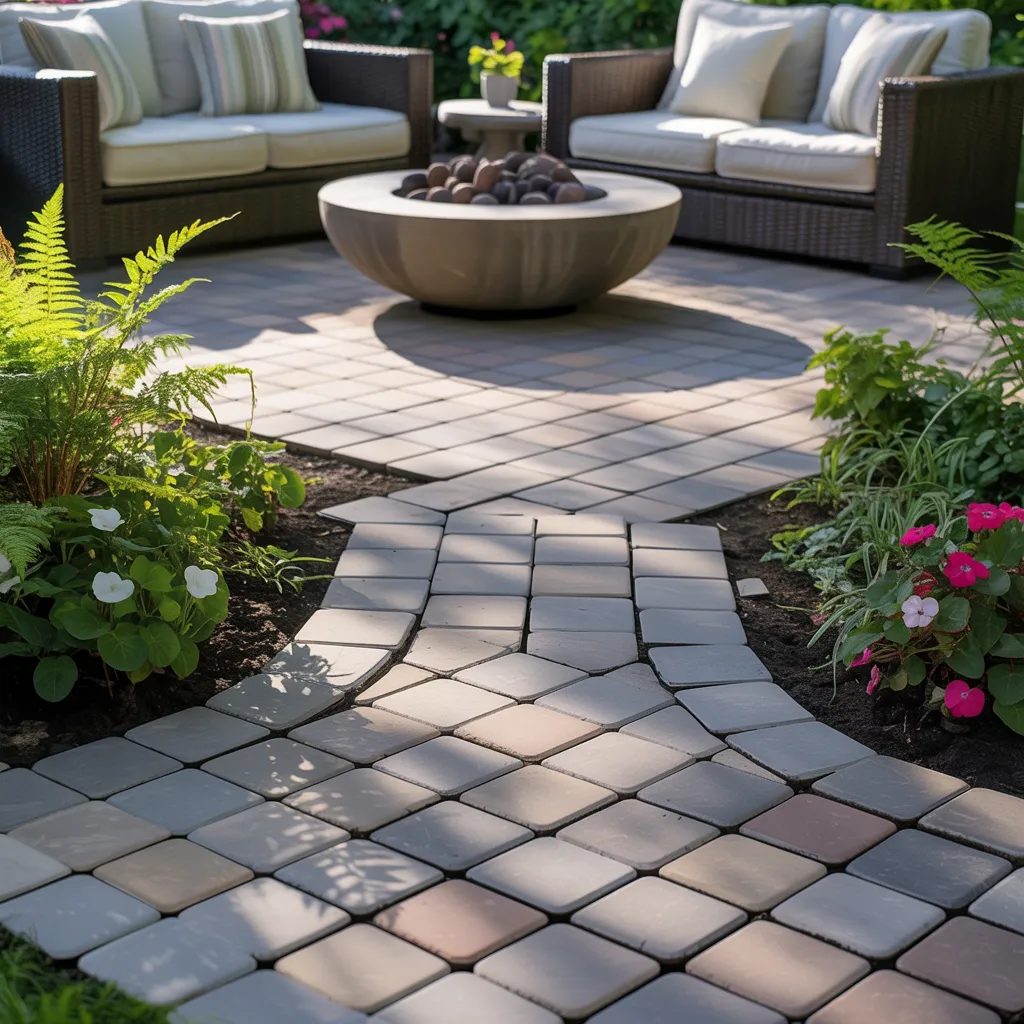
Changing an outdoor space into a striking retreat can be done through a variety of creative ideas that cater to personal tastes and operational needs. Incorporating multiple plant species can add texture and color, while raised gardens maximize space and create a stunning visual impact. Outdoor seating areas can be enhanced with cushioned furniture, apt for relaxation or entertaining guests.
Water features, such as fountains or small ponds, produce peaceful sounds and bring in wildlife, improving the overall atmosphere. Employing outdoor lighting strategically can emphasize key elements and lengthen usability into the evening.
Using walkways constructed from sustainable stone or reclaimed materials can direct visitors across the landscape, creating an welcoming ambiance. Additionally, practical features like raised garden beds or outdoor kitchens can improve both visual appeal and utility, guaranteeing the space is not only visually appealing but also adaptable for various activities.
Best Practices for Maintaining Your Landscape Design
Essential servicing is vital for sustaining the beauty and functionality of any landscaped area. Consistently assessing plants for soundness is necessary; deteriorated or diseased foliage should be promptly removed to stop further distribution. In addition, proper watering methods, tailored to the expectations of targeted vegetation, can considerably improve growth and vitality.
Mulching suppresses weeds and retains soil moisture, rendering it a worthwhile practice. Seasonal pruning stimulates healthy growth and maintains desired shapes. Moreover, periodic fertilization delivers important nutrients, guaranteeing that plants thrive throughout the year.
Landscape aspects such as trails and decks should be examined for harm. Consistent cleaning and maintenance can avert wear and enhance visual beauty. Finally, monitoring unwanted insects and applying proper pest control can safeguard the landscape's integrity. By following these guidelines, homeowners can make sure their outdoor areas remain attractive and maintained for years to come.

Often Asked Questions
What Time Period Should You Plan for a Landscape Design Project?
A common landscape design project ordinarily requires between two to eight weeks, reliant upon the intricacy of the design, site conditions, and the accessibility of materials and workers, providing a meticulous planning and execution strategy.
What Is the Average Cost of Professional Landscape Design Services?
Landscape design expertise typically runs somewhere between $2,000 to $7,000 on average, depending upon project size, complexity, and location. The final price may be significantly influenced by aspects such as materials and labor costs.
Are Landscape Designers Credentialed or Certified Professionals?
Landscape designers are not broadly mandated to be certified or licensed; however, many opt to seek certifications or degrees in landscape architecture, which can strengthen their credibility and knowledge in the field.
Can I incorporate current Plants Into the New Design?
Indeed, existing plants can be incorporated into a new layout. Professional landscapers frequently assess existing plants to enhance visual appeal and practical use, guaranteeing that mature vegetation complement the overall vision of the garden area.
What Elements Should I Evaluate in a Landscape Design Portfolio?
When reviewing a landscape design portfolio, individuals should examine creativity, range of design techniques, integrated plant schemes, careful workmanship, transparent project records, and past client testimonials to gauge overall satisfaction and effectiveness.
Comments on “Effective Yard Drainage Solutions to Prevent Water Damage and Flooding”